just volleyball Serving Guide: Float Serve, Jump Serve and the Toss
Master serving rules, toss charging, powerful jump serves, and how to float serve in just volleyball with exact timing and court positioning.
Serving Rules and Deadlines
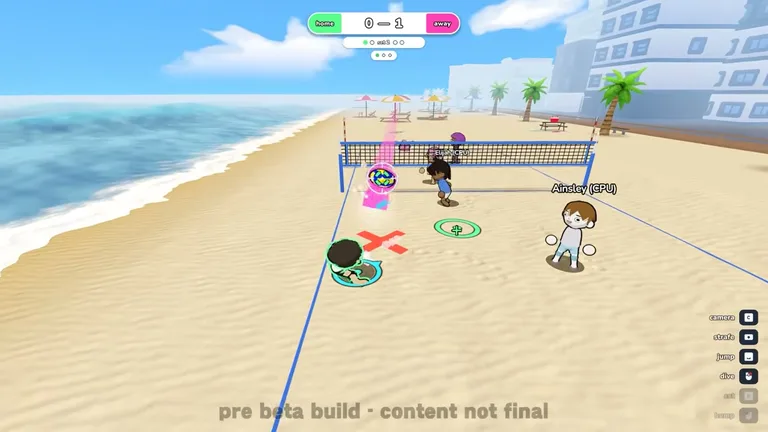
Every serve initiates offensive play from the designated service zone positioned behind the back line. A server must put the volleyball in motion before the 15 countdown timer expires. Opposing defenders are prohibited from spiking, tipping, or blocking an incoming serve, requiring a clean reception instead. Whenever your squad reclaims possession of the ball, every teammate rotates by one position. For additional match regulations and boundary lines, consult court boundaries and fault rules. For an overview of every core execution, read our techniques guide.
Ball Toss Mechanics
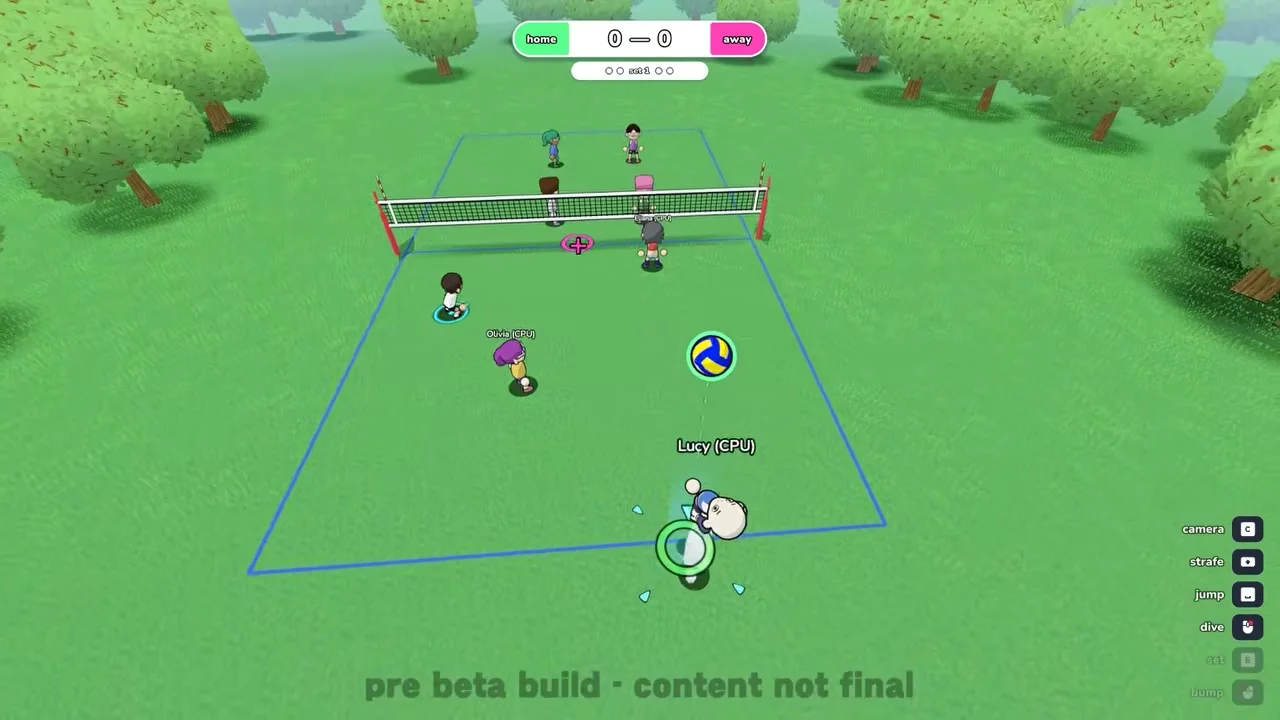
Serving represents an isolated matchup where the server faces the opposing side alone. Initiating any service attempt requires sending the volleyball skyward first. Players regulate toss elevation by holding down their assigned contact input. The minimum vertical toss height reaches 6.5 units on a quick release. A fully sustained charge extends the toss upward to 12.8 units. Centering your aim on the player character launches the ball vertically, while aiming forward directs it outward horizontally.
Standing Standard Serve
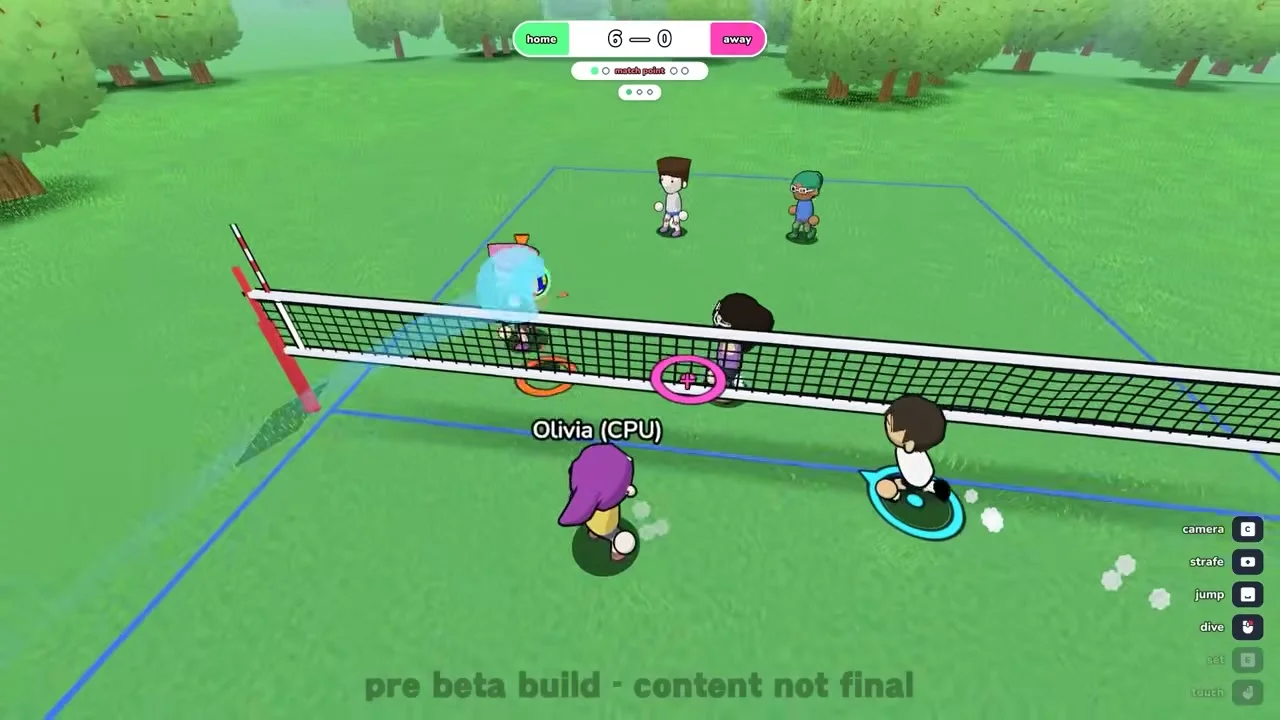
Players can select between multiple distinct serving techniques during a match. To execute a standard serve, remain stationary, lob the volleyball overhead, aim your reticle across the net, and bump it forward. Choosing a gentle toss allows you to keep targeting the opposing side without adjusting cursor placement mid-flight. For defensive strategies against standard serves, explore bump receives and defensive digs.
Jump Serve Execution and Apex Timing
To prepare a jump serve, position your character at the far rear boundary of the service zone. Launch the ball forward using maximum charge power before starting your run-up. Your take-off leap must occur before crossing past the baseline, as touching the court prior to leaving the ground incurs a fault. During the jump serve, players are permitted to propel the toss beyond the baseline provided their leap initiates beforehand. Effective timing aligns ball contact right as your character reaches the highest apex of the jump. A fast jump serve drives the ball across the court in approximately 0.55 seconds. To compare spike jumps with serve approaches, see spiking attack trajectories.
Jump Floater Techniques
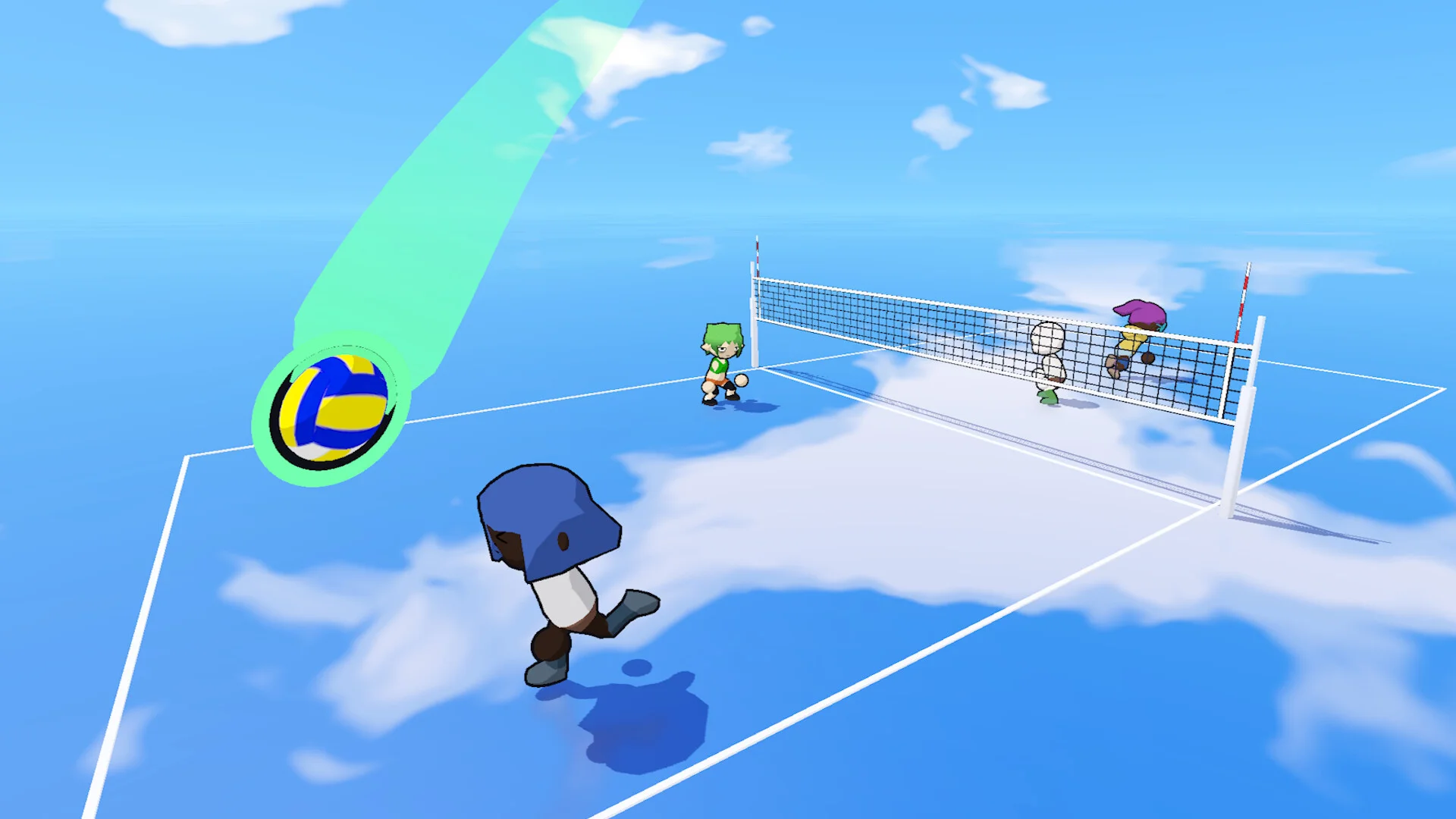
Executing a jump floater mirrors the standard serve motion but requires contacting the ball while airborne. Hitting the ball while tilting backward adds erratic flight wobble to confuse receivers. The required backward tilt threshold corresponds to 0.45 directional input. The amount of charge built on your attack swing directly impacts how unstable and shaky the ball behaves. A slow floating delivery travels across the net with a flight duration of 1.6 seconds. For coordinating offensive transitions after serving, review high sets and quick tempo passes.